top of page

Explore our archive of rare stories from different corridors of cultural discourse across craft, oral and performance traditions, visual culture and more.
Cultural Archive
Search

ചർച്ച: പണിയ ഗോത്രസംസ്കാരം, ചരിത്രം, ജീവിതം | Community Meet | ARPO Earthlore
വയനാട്ടിലെ പണിയ സമുദായം ഇപ്പിമല ഉത്ഭവ ഐതിഹ്യത്തിലും ആട്ടാളിപ്പാട്ടിലൂടെ കൈമാറ്റം ചെയ്യപ്പെട്ട വാമൊഴി പാരമ്പര്യത്തിലും അധിഷ്ഠിതമാണ്. ചെമ്മി, കോയ്മ ഭരണസംവിധാനം, വള്ളിയൂർക്കാവിലെ നിപ്പുപണം അടിമത്ത ചരിത്രം, പ്രകൃതിയാരാധന, സവിശേഷമായ മരണാനന്തര-വിവാഹ ആചാരങ്ങൾ എന്നിവ ഇവരുടെ സംസ്കാരത്തിന്റെ മുഖമുദ്രകളാണ്. പുതിയ തലമുറയുടെ വിദ്യാഭ്യാസം, സ്ഥിരമായ തൊഴിൽ, ഗോത്രഭാഷാ സംരക്ഷണം എന്നിവയിലൂടെ സമുദായത്തിന്റെ പുരോഗതി സാധ്യമാക്കാമെന്ന് ചർച്ച അടിവരയിടുന്നു. Hear from members of the Paniya community
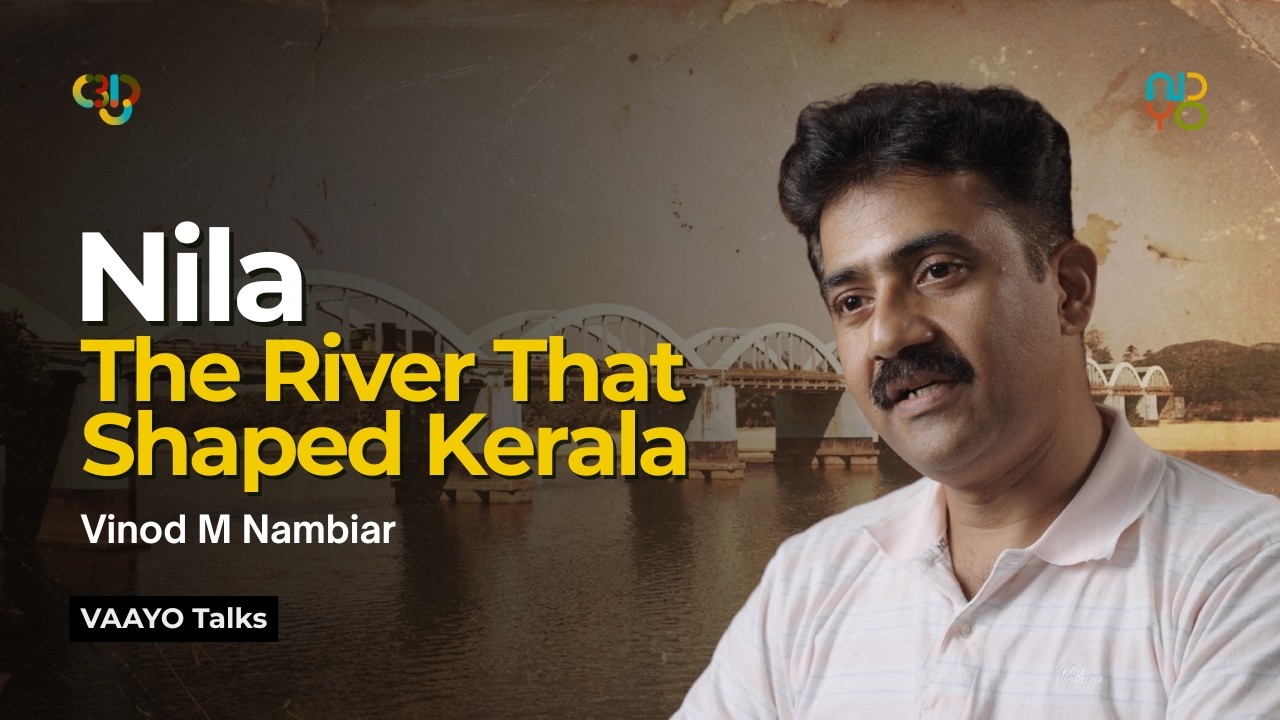
How Bharathapuzha Shaped Kerala Culture | Vinod M Nambiar | Vaayo Talks
A journey through the cultural history of Nila river
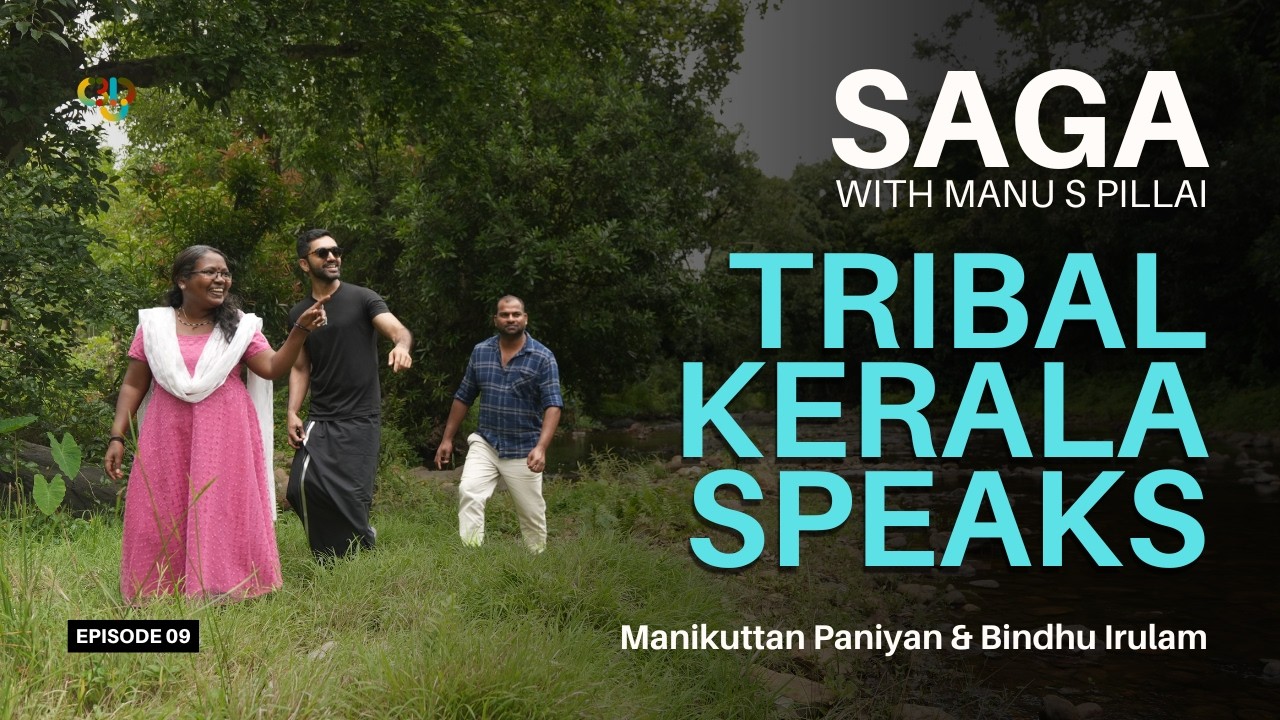
Tribal Culture in Wayanad | Ep 9: SAGA with Manu S Pillai ft. Manikuttan Paniyan & Bindu Irulam
In Episode 9 of SAGA, we engage with two powerful voices from marginalised tribal groups in Kerala: Manikuttan Paniyan and Bindu Irulam. In the first half of the episode, Manikuttan takes us through the story of the Paniya community, and its past and present. In the second half, Bindu introduces us to the lore, song, poetry, and language of the Kattunayakar tribe. Both ultimately hope their tribal identity will be preserved and protected as younger generations engage with the

Syrian Christians of Kerala | Ep 7: SAGA with Manu S Pillai ft. Pallikonam Rajeev
Legend places the arrival of Christianity in Kerala in 52 CE. While that date is much debated, for well over a millennium now, Kerala has been home to a distinct Christian community known as the Nasranis or Syrian Christians. Many books and accounts exist on their religious history. But relatively less is known of the social, cultural, and political position of these Malayali Christians in pre-colonial Kerala. In Episode 7 of Saga, Manu S Pillai sits down with Pallikonam Raje


Paliya Ulsavam at Kumaly: Celebrating Palichiyamma
Paliya Ulsavam is the annual festival of the Paliyar community in Kerala, held every April. Rooted in forest traditions and ancestral worship, the festival today blends temple rituals with cultural expressions like Kummi-adi and Paliya Nritham. From the sacred pilgrimage to Kalluveriyar to votive offerings such as Mulapayaru, Maavilakku, and Theechatti, the celebration reflects the community’s deep faith, resilience, and collective identity.


Chakkupallam’s Paliya Ulsavam: Tradition, Adaptation, and Collective Faith
At Chakkupallam in Idukki, the Paliyar community comes together each April to celebrate Paliya Ulsavam, their annual harvest-season festival at their newly built Sree Badrakaliyamman Temple.


Meenoottu : Fish, Prophecy & The Mannan King
Each year, the Mannan tribal community gathers for Meenoottu—a sacred river-based ritual that seeks protection from disease and blessings for the entire community. Held just three days after their major cultural celebration Kaalayoottu, Meenoottu is more than a ritual. It’s a spiritual gathering and an ecological dialogue rolled into one. Once performed across various sub-kingdoms of the Mannan region, Meenoottu is now practiced only at Kozhimala and Kumily. WATCH EPISODE ON


Kalaavoottu: A Festival of Togetherness, Tribute, and Tradition
In Kerala, Mannan community comes together each year to celebrate Kalaavoottu — also known as Kalaayoottu — a vibrant festival that blends age-old traditions, traditional music, dance, and rituals. Held during the Malayalam months of Makaram and Kumbham, this celebration is much more than just a festival — it’s a time of remembrance, gratitude, and renewal. The name Kalaavoottu is derived from the words Kaalam (meaning a year or season) and Oottu (meaning feast), it symbolize
bottom of page